
How Often Should You Polish Marble Flooring?
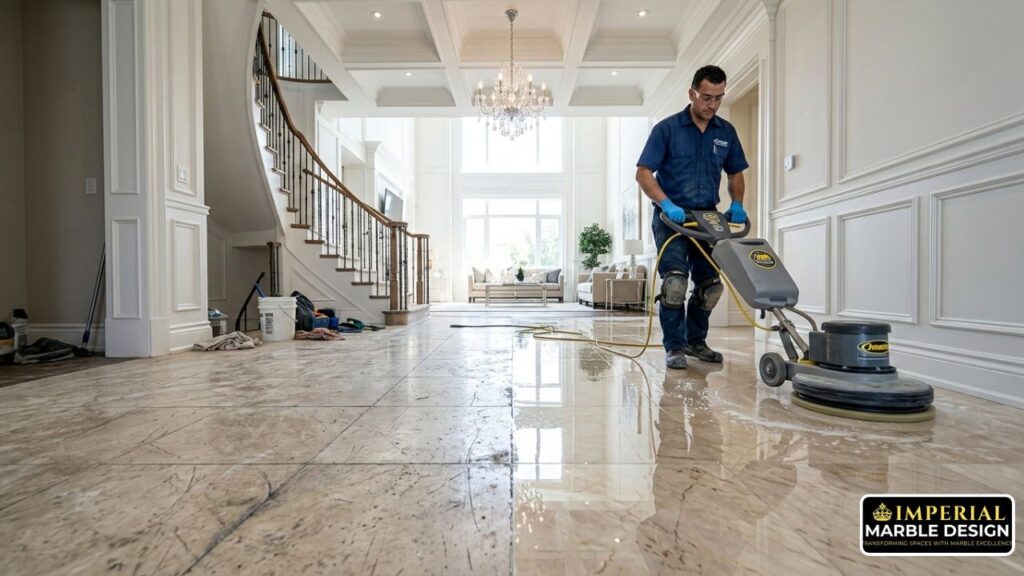
How Often Should You Polish Marble Flooring? Learn the ideal polishing frequency, expert maintenance tips, benefits, and professional techniques to keep marble floors shiny and durable.
Understanding Marble Flooring and Its Natural Beauty
Marble flooring has long been associated with luxury, elegance, and timeless architectural beauty. From ancient Roman villas to modern luxury apartments, marble continues to remain one of the most sought-after flooring materials in homes and commercial spaces. Its natural veining, smooth texture, and reflective surface make it visually appealing while adding a premium touch to interiors.
The unique composition of marble comes from metamorphosed limestone formed under intense pressure and heat deep within the Earth. This process creates a dense yet workable stone that can be cut, polished, and finished into stunning floor slabs. Each piece of marble is unique, meaning no two floors will ever look identical. That exclusivity is one reason homeowners and interior designers love marble flooring.
However, marble is also a natural porous stone. Because of this, it can absorb moisture, stains, and dust particles over time. Foot traffic, spills, and improper cleaning can gradually dull its shine. Even the most high-quality marble floors eventually lose their glossy appearance if not maintained properly. This is why polishing becomes an essential part of marble floor maintenance.
Polishing helps restore the reflective surface that marble is famous for. It smooths microscopic scratches, removes stains, and revives the natural glow of the stone. Without regular polishing, marble floors can start to look worn and faded, reducing their aesthetic value.
That leads to a common question homeowners ask: How Often Should You Polish Marble Flooring? The answer depends on several factors such as foot traffic, location, cleaning habits, and environmental conditions. Understanding these factors can help you create a maintenance routine that keeps your marble floors looking as beautiful as the day they were installed.
How Often Should You Polish Marble Flooring?
If you want to maintain the luxurious shine of marble flooring, polishing must become part of your regular maintenance routine. Experts generally recommend polishing marble floors every 1 to 3 years for residential spaces. However, this timeline can vary depending on how heavily the floor is used and how well it is maintained between polishing sessions.
For homes with moderate foot traffic, polishing once every two years is usually sufficient. Living rooms, bedrooms, and hallways typically fall into this category. In these spaces, daily cleaning and occasional buffing can help maintain shine between major polishing treatments.
Commercial spaces, on the other hand, require much more frequent polishing. Hotels, shopping malls, offices, and showrooms experience constant foot traffic, which can wear down marble surfaces quickly. In these environments, professional polishing may be required every 6 to 12 months to maintain a professional appearance.
Several factors determine how often marble floors need polishing:
Foot traffic intensity
Areas with heavy foot traffic experience faster wear. Entryways, kitchens, and hallways typically lose their shine quicker than bedrooms.
Cleaning methods
Using harsh cleaning chemicals can damage marble surfaces and accelerate dullness. Gentle, pH-neutral cleaners help preserve the finish.
Environmental conditions
Dust, sand particles, and humidity can gradually scratch marble surfaces. This is particularly common in urban environments.
Quality of initial installation
Proper leveling, sealing, and finishing during installation significantly influence how long marble floors retain their shine.
When homeowners notice dull patches, light scratches, or uneven shine, it’s usually a sign that polishing is needed. Waiting too long can make restoration more difficult and expensive.
Professional marble specialists use industrial polishing machines and diamond abrasives to restore the stone surface. These tools smooth the marble evenly, eliminating imperfections while bringing back its natural shine.
Regular polishing not only improves the floor’s appearance but also extends its lifespan. With proper care, marble flooring can last several decades while maintaining its elegant look.
7 Expert Secrets to Maintain Shiny Marble Floors
While polishing plays a crucial role in marble maintenance, everyday habits also influence how often polishing is required. Experts often emphasize preventive care to keep marble floors looking flawless for longer periods.
One of the most effective habits is consistent daily cleaning. Dust and grit particles act like sandpaper when people walk across the floor. Over time, they create microscopic scratches that reduce the marble’s shine. Using a microfiber mop or soft broom daily helps remove these particles before they cause damage.
Another important secret is choosing the right cleaning products. Many common household cleaners contain acidic ingredients such as vinegar or citrus. These chemicals can react with marble’s calcium carbonate composition, causing dull spots or etching. Instead, professionals recommend using pH-neutral stone cleaners designed specifically for marble.
Preventing scratches is equally important. Heavy furniture can leave marks on marble floors if dragged across the surface. Installing protective pads under furniture legs helps prevent this issue. Similarly, placing rugs or mats at entryways can significantly reduce dirt entering the house.
Professional polishing techniques also make a significant difference. Experts typically follow a multi-step process involving grinding, honing, polishing, and sealing. Each step removes imperfections while gradually increasing the stone’s shine level. The final sealing stage helps protect the marble from stains and moisture.
Homeowners can also perform occasional buffing using marble polishing powders. These powders contain fine abrasives that restore minor shine loss without the need for full polishing. However, they should be used carefully to avoid uneven results.
Another helpful maintenance strategy involves sealing marble floors periodically. Sealants act as a protective barrier that reduces moisture absorption and prevents staining. According to many stone care specialists, sealing marble once every 12 to 18 months is recommended for most residential floors.
By combining regular cleaning, protective measures, and periodic polishing, homeowners can significantly extend the beauty and lifespan of marble flooring.
Benefits of Regular Marble Floor Polishing
Polishing marble flooring offers several benefits beyond simply improving its appearance. One of the most noticeable advantages is the restoration of the marble’s natural shine. Over time, foot traffic and cleaning chemicals can dull the stone’s reflective surface. Polishing removes these imperfections and reveals the smooth, glossy finish beneath.
Another major benefit is increased durability. Polishing strengthens the marble surface by removing weak layers and smoothing out scratches. This process helps the floor withstand daily wear and tear more effectively.
Polished marble floors are also easier to clean. When the surface becomes smoother, dust and debris have fewer places to accumulate. This means homeowners can maintain cleanliness with minimal effort.
Property value is another important factor. Real estate experts often emphasize that high-quality flooring significantly influences property appeal. Well-maintained marble flooring can make a home look more luxurious and well cared for, which can increase resale value.
The following table summarizes the key benefits of marble floor polishing:
| Benefit | Description |
| Enhanced Shine | Restores the reflective, glossy surface |
| Improved Durability | Strengthens the stone and removes scratches |
| Easier Cleaning | Smooth surface prevents dirt buildup |
| Increased Property Value | Luxurious flooring enhances home appeal |
| Extended Lifespan | Prevents long-term damage and wear |
According to the Natural Stone Institute (https://www.naturalstoneinstitute.org), proper maintenance and polishing can allow natural stone floors to last for generations without losing their beauty.
Professional Marble Polishing vs DIY Methods
Many homeowners wonder whether marble polishing can be done without professional help. While some minor polishing tasks can be performed using DIY kits, professional services generally deliver superior results.
DIY polishing typically involves marble polishing powders, buffing pads, or handheld polishing tools. These methods can restore minor dullness or light scratches. They are often useful for small areas or touch-ups between professional polishing sessions.
However, DIY techniques have limitations. Without professional equipment, it is difficult to achieve uniform results across large floor surfaces. Uneven pressure or incorrect polishing materials can create swirl marks or inconsistent shine.
Professional marble polishing services use specialized machines equipped with diamond abrasives. These tools allow technicians to grind and polish marble evenly across the entire floor. The process usually involves several stages, each designed to refine the stone’s surface progressively.
Professional technicians also evaluate the condition of the marble before polishing. If cracks, stains, or leveling issues are present, they address these problems before beginning the polishing process. This ensures long-lasting results and prevents future damage.
For homeowners with large marble floors or visible wear, hiring professionals is usually the best option. Although professional polishing involves higher upfront costs, it often provides better long-term value because the results last longer.
FAQs About Marble Floor Polishing
1. How often should you polish marble flooring in a house?
Most experts recommend polishing marble flooring every 1–3 years depending on foot traffic and maintenance habits.
2. Can marble floors be polished too often?
Yes. Excessive polishing may remove thin layers of marble unnecessarily. Professional assessment helps determine the correct schedule.
3. What is the cost of marble floor polishing?
Costs vary depending on location and floor condition, but professional polishing typically ranges from $2–$5 per square foot.
4. Can dull marble floors be restored?
Yes. Even severely dull marble can usually be restored through professional grinding and polishing techniques.
5. What products should never be used on marble floors?
Avoid acidic cleaners like vinegar, lemon, or bleach. These substances can cause etching and permanent damage.
6. Does sealing replace polishing?
No. Sealing protects marble from stains, while polishing restores the stone’s shine and smoothness.
Conclusion
Marble flooring is one of the most elegant and durable flooring choices available, but maintaining its beauty requires consistent care. Understanding How Often Should You Polish Marble Flooring helps homeowners create an effective maintenance schedule that protects their investment.
Regular polishing every one to three years, combined with daily cleaning and protective measures, can keep marble floors shining for decades. Preventive care such as using pH-neutral cleaners, placing mats at entryways, and sealing the stone periodically also helps reduce wear and tear.
Professional polishing services provide the most reliable results, especially for heavily used floors. With the right care routine, marble flooring can maintain its luxurious appearance and continue adding value to homes and commercial spaces for many years.